"A sailor who trusts a ship without stout iron at the gunwale is a fool courting the seabed." Osric, Keeper of the Hearth & Forge
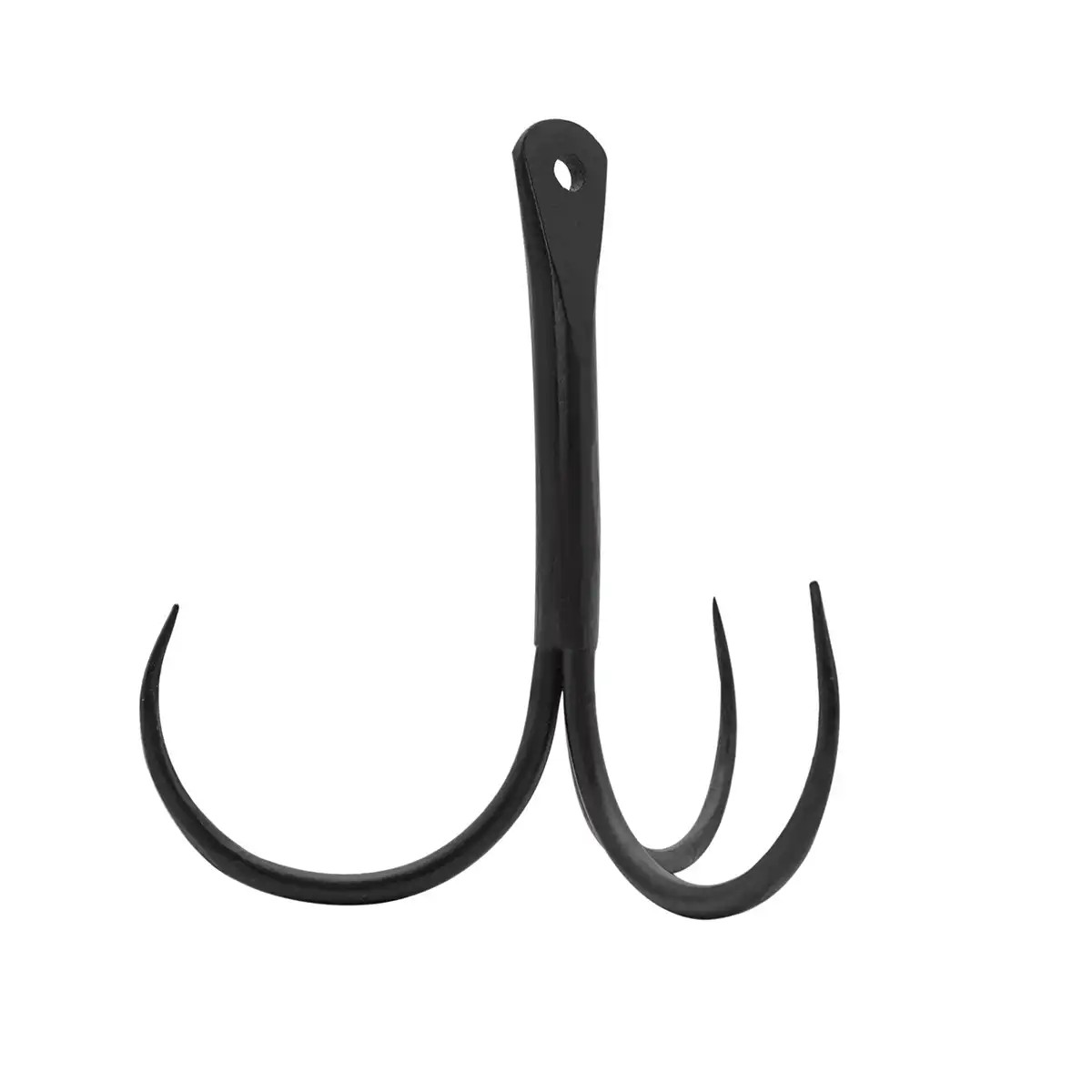
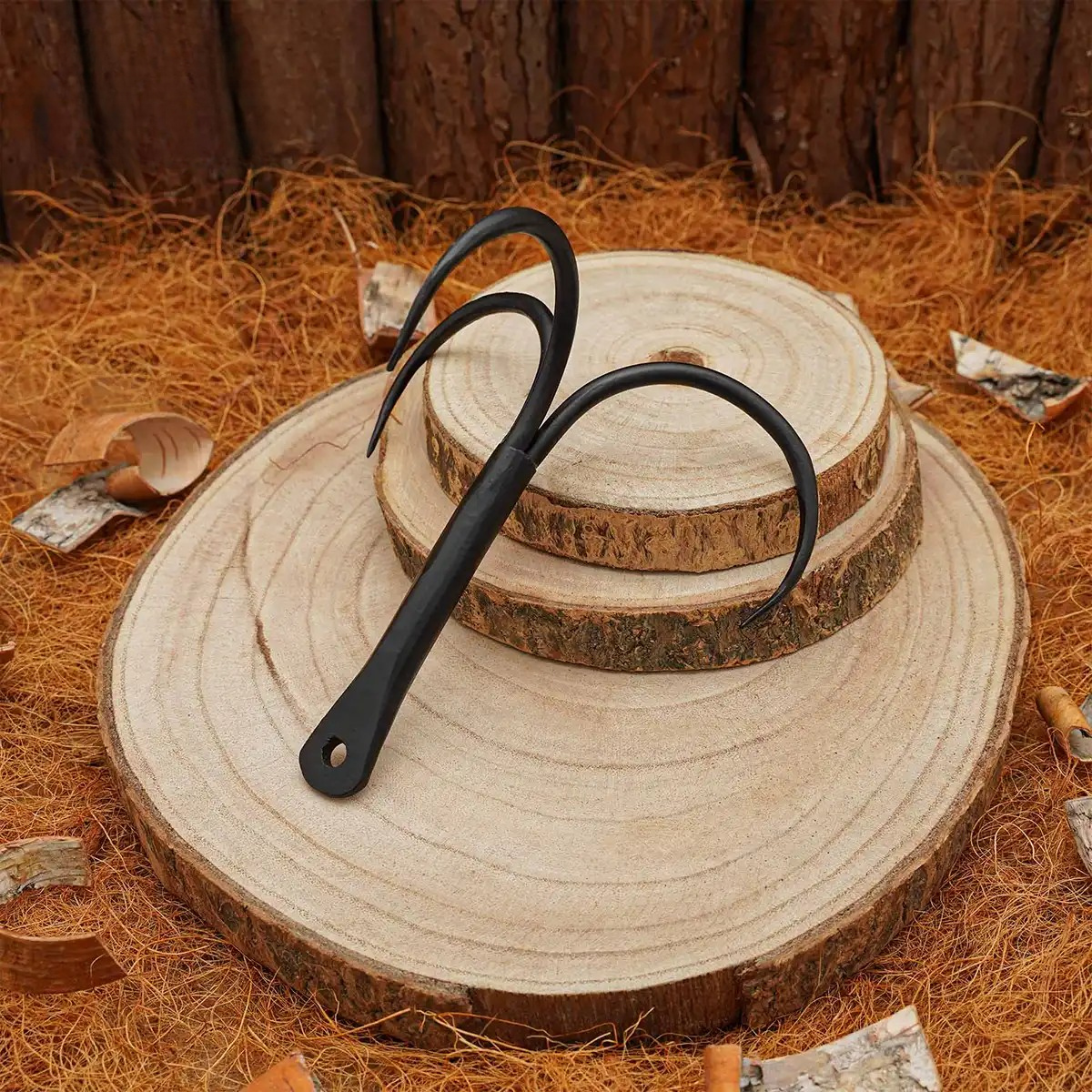
Forged from solid iron, this three-prong grappling hook draws direct inspiration from the harrowing maritime skirmishes and ship-to-ship boarding engagements of the medieval seas. When vessels drew close through cannon smoke or arrow hail, such irons were cast across the bulwarks, biting into timber and rigging so that men-at-arms could haul the hulls together for close-quarters fighting.
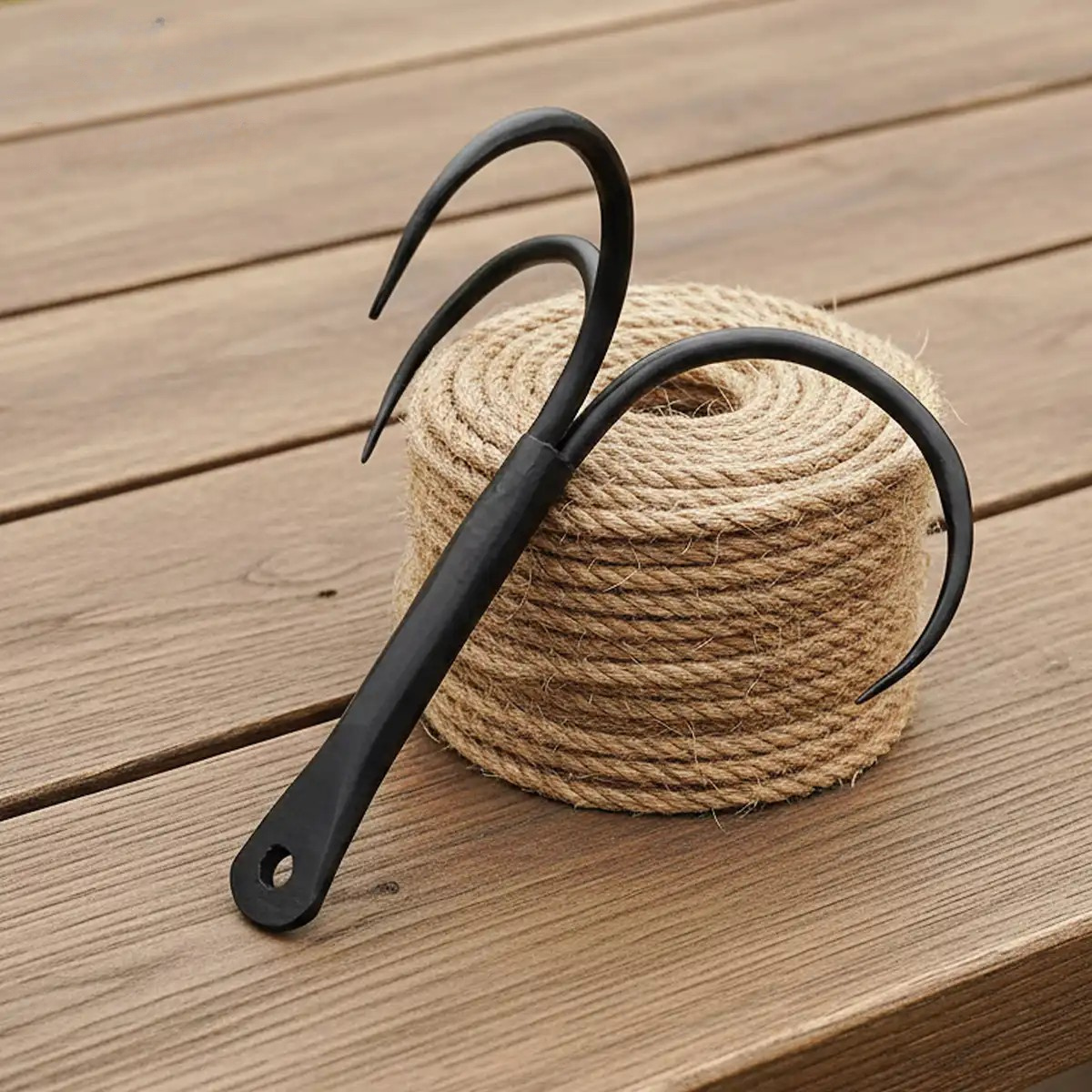
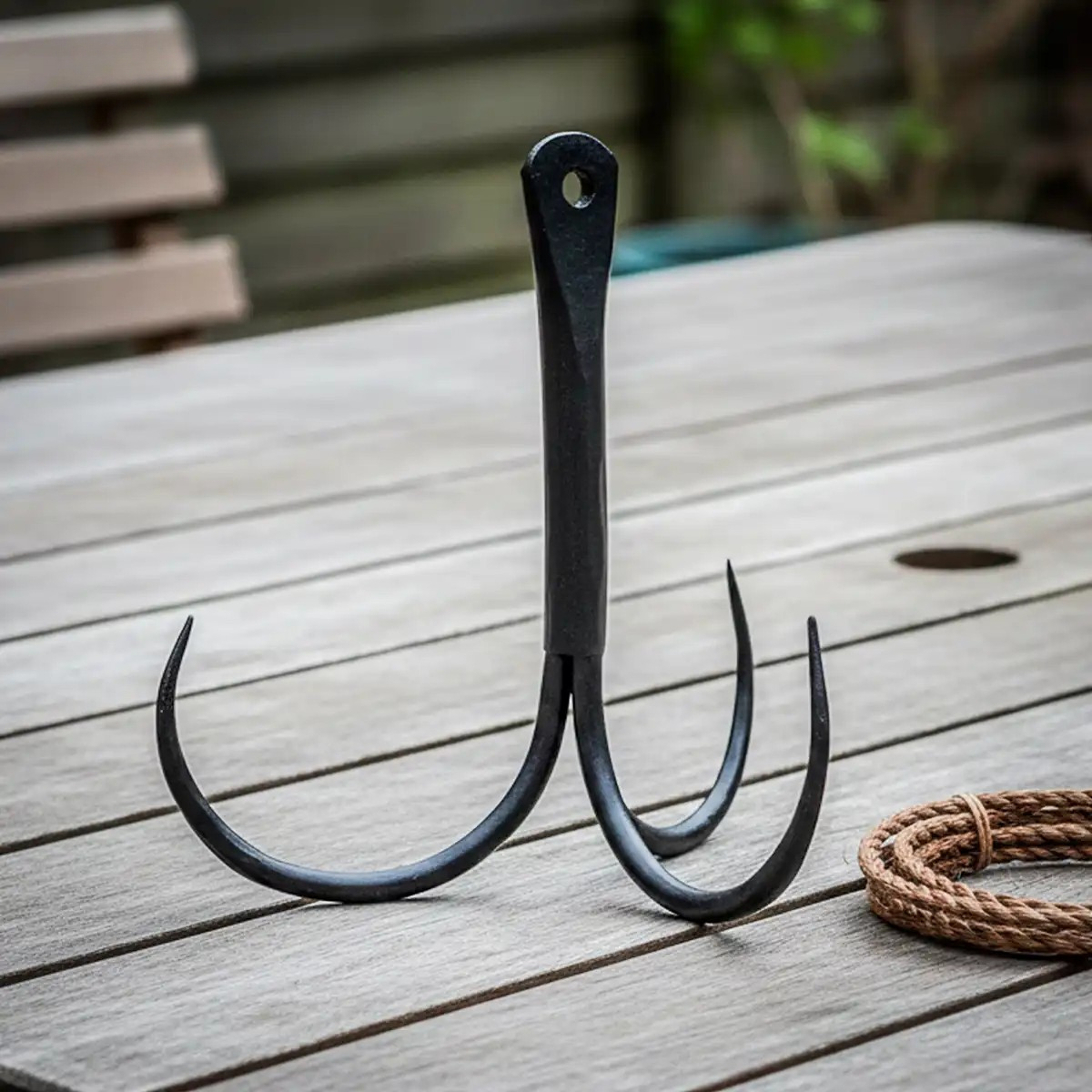
Crafted by hand over the anvil, every hook bears the honest surface variations and texture of authentic forge work. Its trio of curved iron prongs radiates outwards from a solid central stem, capped by a stout, integrated eyelet designed to anchor heavy cord or hemp rope. A traditional black finish coats the piece, offering a clean, historic appearance whilst highlighting the subtle hammer strikes left behind by the smith's work.
For the living history veteran, reenactor, or theatrical stagehand, this piece serves as an exceptional prop for naval impressions, privateer garrisons, and medieval shoreline encampments. Take care when pairing it with cordage: reeve a stout, natural-fibre rope through the forged eye with a secure eye splice or bowline knot to complete the period aesthetic. Whilst styled precisely after functional maritime tackle, remember that this hook is crafted exclusively as a historical prop for costuming, reenactments, and authentic set display rather than modern load-bearing or active climbing duties. Hang it proudly amongst your seafaring kit or haul it along on your next coastal campaign.
Authentic Historical Gear
Crafted to historic specifications for re-enactors, living history, and LARP. Built to look, feel, and drape as it should.
Free Shipping
Enjoy free standard UK delivery on all orders over £50
30-Day Returns
Not quite right? Return your unworn gear within 30 days for an easy exchange or refund.
Secure Checkout
Shop with confidence using our safe, encrypted payment processing.